Skip to content
Codes and Cogs

Gas flare to energy developer

Turning flared gas into power, fuel and progress.

We develop projects that capture gas now lost to flaring and convert it into electricity, CNG and LPG for industry and communities, backed by our own oilfield engineering crews.

The opportunity

Every flare burns a resource Nigeria needs.

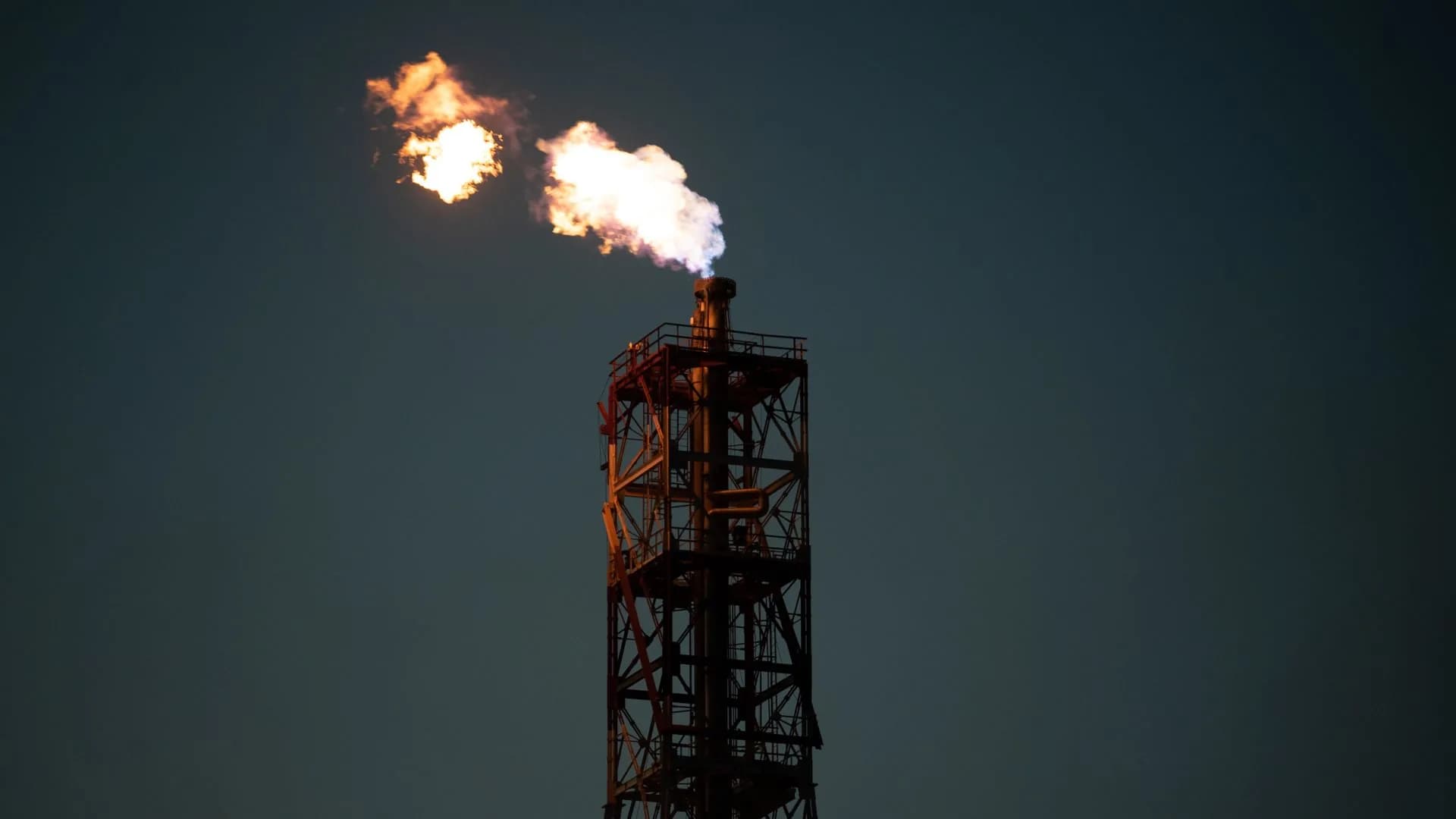
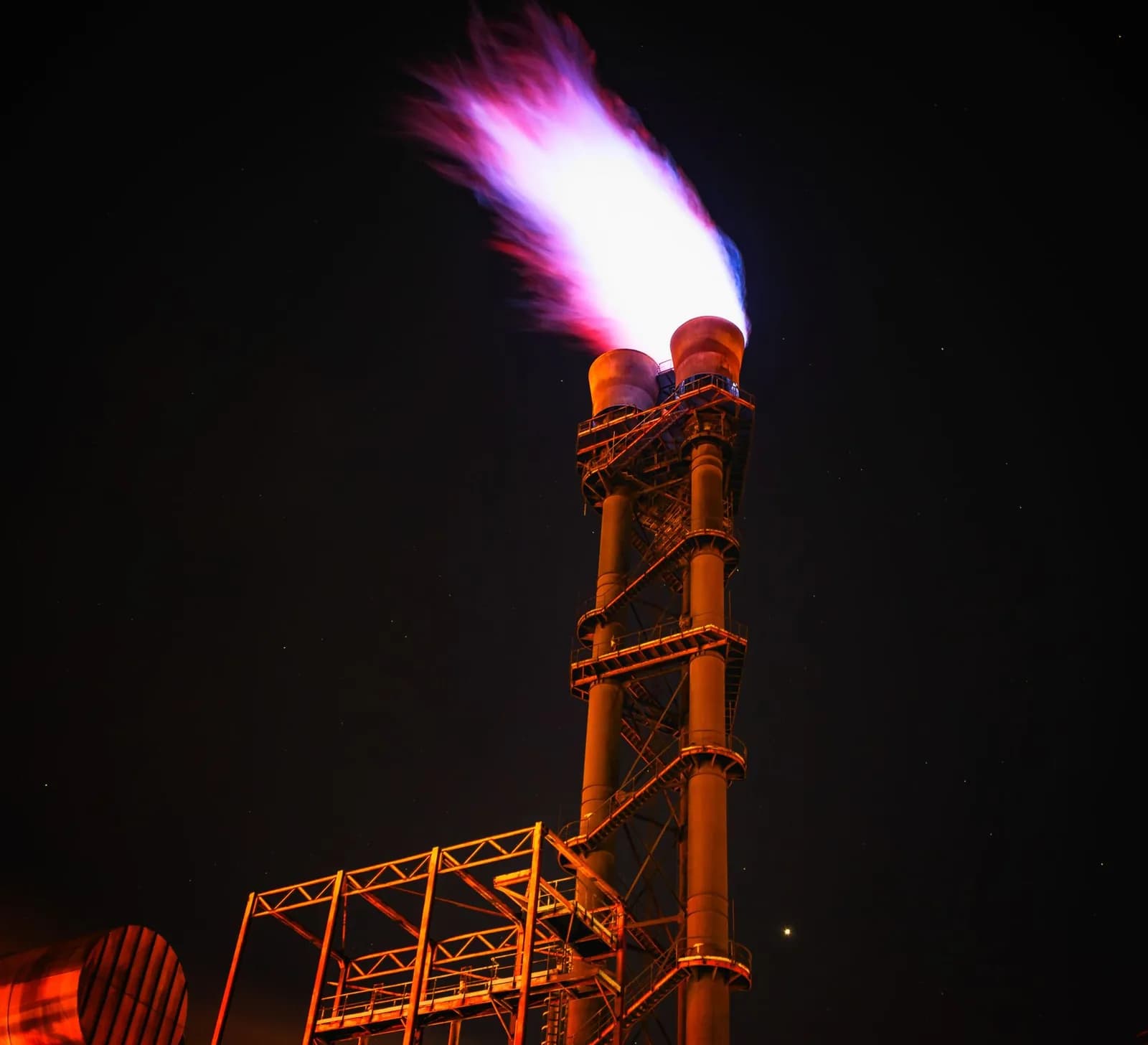
Associated gas comes up with crude oil. Where there is no pipeline or plant to take it, it is burned at the flare stack: value lost, energy wasted and emissions released, in a country where many homes and businesses still lack reliable power.

The gas is rarely the problem. The gap is infrastructure: the capture, compression, conditioning and transport that turn small, scattered volumes into a product someone can buy.

Nigeria’s Petroleum Industry Act 2021 and the NUPRC’s Gas Flaring, Venting and Methane Emissions Regulations 2023 set the framework. Through the Nigerian Gas Flare Commercialisation Programme (NGFCP), the regulator, NUPRC, is opening flare sites to investors and developers who can put that gas to work.

See how flare gas becomes energy
  • 167 bcm

    of gas flared worldwide in 2025, the third straight annual rise

    Source: World Bank, Global Gas Flaring Tracker 2026

  • ≈$54bn

    estimated market value of that flared gas

    Source: World Bank, Global Gas Flaring Tracker 2026

  • 83%

    of global flaring comes from nine countries, Nigeria among them

    Source: World Bank, Global Gas Flaring Tracker 2026

  • 250–300 MMscfd

    of flare gas Nigeria's NGFCP aims to capture and commercialise

    Source: NUPRC, Nigerian Gas Flare Commercialisation Programme (2025)

Flare to energy

From flare stack to useful energy

Every project follows the same chain. We engineer each link and choose the conversion route that suits the gas, the site and the market.

  1. 01

    Flare site

    Associated gas that is burned today. We measure it before we design anything.

    • Site screening
    • Flow and composition
    • Access and permits
  2. 02

    Capture & compression

    Recovery from the flare line and compression to move small, remote volumes.

    • Flare gas recovery
    • Compression
    • Metering
  3. 03

    Gas conditioning

    Treatment to the specification each product and machine needs.

    • Separation
    • Dehydration
    • H2S and CO2 removal
  4. 04

    Conversion

    The route is chosen to suit the gas, the site and the market.

    • Power

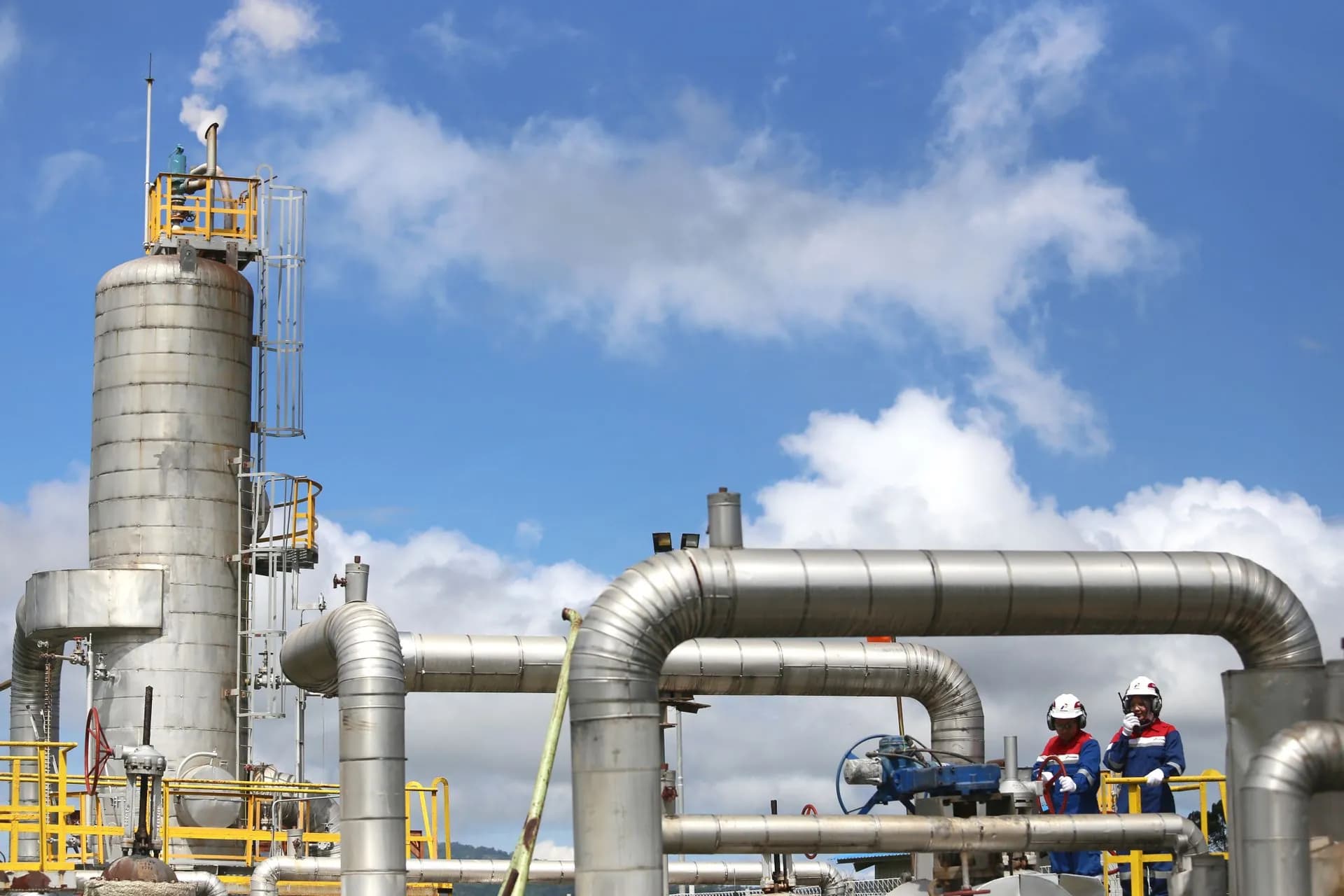
      Gas engines and microturbines for captive power and mini-grids

    • CNG

      Compressed and trucked to users as a virtual pipeline

    • LPG and NGL

      Liquids recovered for cooking gas and industry

    • Hybrid

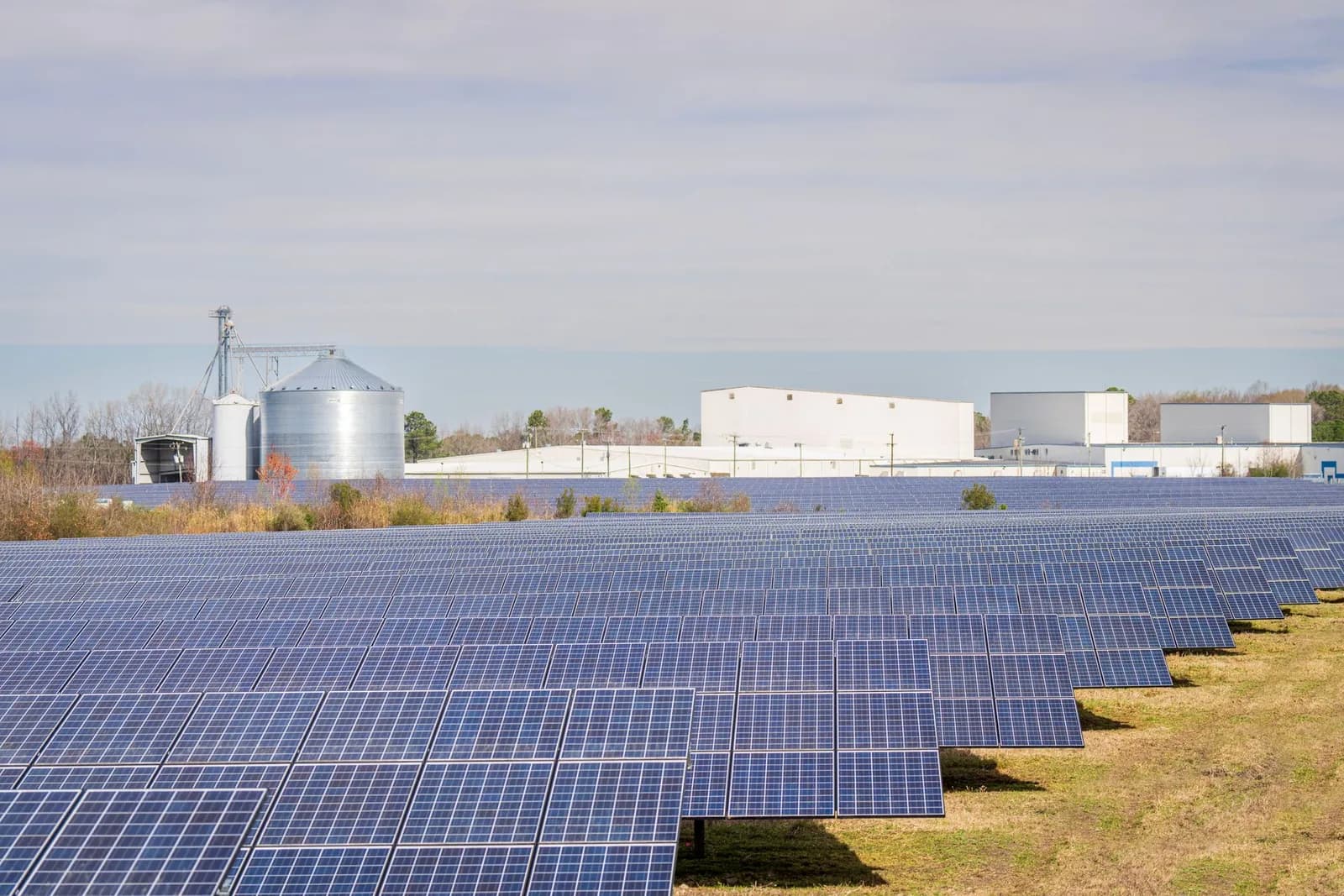
      Gas generation paired with solar and battery storage

  5. 05

    Delivery

    Energy and fuel delivered to the people who use them.

    • Industry

    • Communities

    • Transport fuel

    • The grid

We can deliver every link in this chain, with remote monitoring and emissions reporting running across all of them, so each project has the data it needs to perform and to prove it.

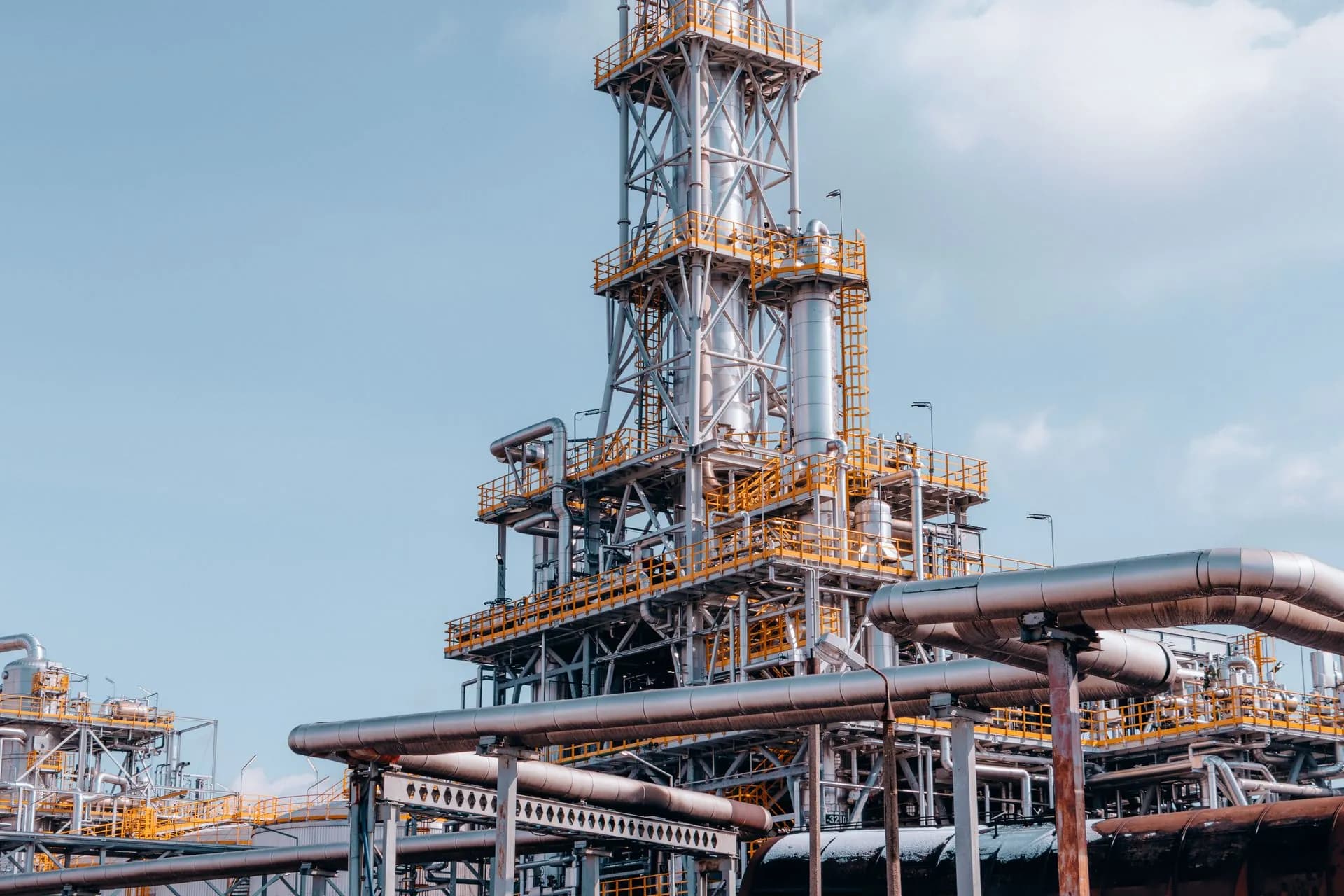
Conversion equipment we install

How we deliver

Four stages, one accountable team

Bring us in for a single stage or the full journey. Either way, the same engineers carry the data and decisions from one stage to the next.

  1. Step 01

    Assess

    Find out what the gas can support.

    • Flare site screening and data review
    • Gas sampling, flow measurement and composition analysis
    • Techno-economic feasibility and pathway selection
  2. Step 02

    Structure

    Make the project work for every party.

    • Gas access with operators and flare-site awardees
    • Gas sales and off-take terms: volumes, pricing, specification and metering
    • Delivery model, permitting and financing structure
  3. Step 03

    Build

    Engineer, install and commission the plant.

    • Front-end and detailed engineering
    • Procurement, installation and tie-in
    • Commissioning and performance testing
  4. Step 04

    Operate

    Run, monitor and report so it keeps delivering.

    • Operations and maintenance
    • Remote monitoring and performance analytics
    • Emissions measurement, reporting and verification (MRV)

Delivery models

We structure each project around the model that suits the site, the gas holder and the off-taker.

  • BOOBuild-Own-Operate
  • BOOTBuild-Own-Operate-Transfer
  • JVJoint venture
  • EPCEngineering, procurement and construction

Codes + Cogs

Our name is how we work.

Codes is the software, data and analytics. Cogs is the field engineering and hardware. Flare-to-energy projects need both, working from the same information.

years of combined leadership experience
124+
offices, in Lagos and Maryland
2
engineering software packages we own
5

Codes

Software, data and AI

Good energy projects start with good data. We apply the analytics behind our AI-enhanced well diagnostics to flare sites, gas volumes and emissions.

  • AI-assisted analytics, from bottom-hole pressure surveys to flare monitoring
  • Remote monitoring of flare sites and conversion equipment
  • Emissions measurement, reporting and verification (MRV)
  • Engineering models and real-time data acquisition on software we own

// software we own

  • Cerberuscoiled tubing force and downhole hydraulic analysis
  • CT Modelling Suite
  • Prosper
  • FracPro
  • Real-Time Data Acquisition System
Codes and Cogs engineers in branded hard hats and high-visibility vests
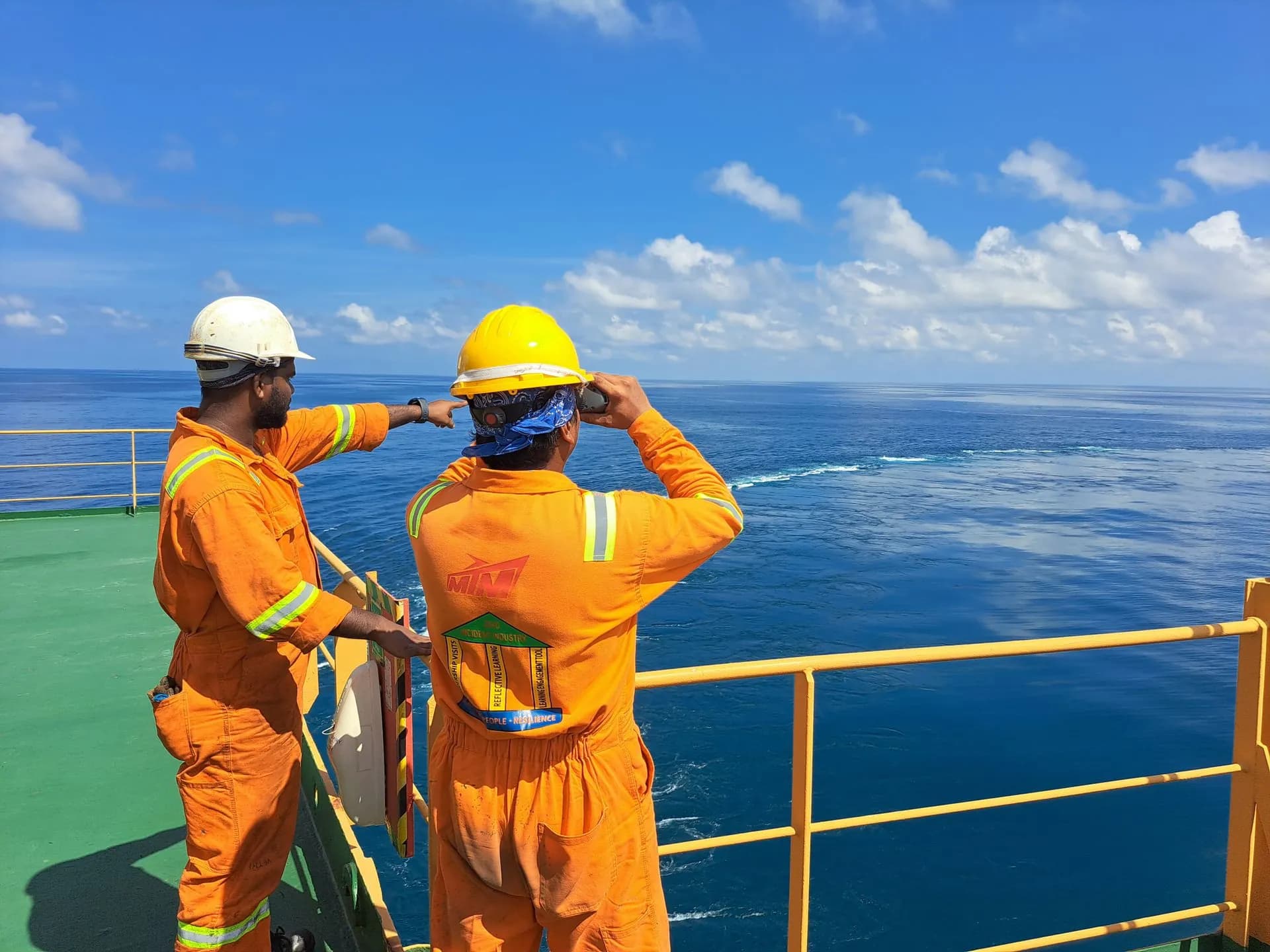
Two offshore workers in orange coveralls and hard hats on a vessel deck, looking out to sea

Cogs

Field engineering and hardware

Software only matters if the hardware works. Our field engineers install, test and maintain equipment with the same pressure-control discipline we apply on live wells.

  • Installation, tie-in and commissioning of conversion equipment
  • Pressure control equipment and NDT integrity testing, including our containerised pressure test bay
  • Well intervention crews for slickline, coiled tubing and cementing
  • Equipment and marine support, including a work barge, support vessel and crew boat

Partners and affiliations

Working alongside industry bodies and engineering partners

  • SPE International
  • American Petroleum Institute (API)
  • Codelab LLC
  • CerTech Energy
  • World Safety Organization
  • NVK Engineering Systems
  • WEAFRI
  • Ngada Oil

Resources · Whitepaper

Advancing Pressure Control Equipment (PCE) Integrity Testing for Well Intervention Operations

By Andy Gwek · PDF, 1.8 MB

Our perspective on integrity testing of pressure control equipment for well intervention: why pre-deployment checks and inspection matter, and how better testing reduces the risk of failures and downtime.

Start a project

Have a flare site, a gas supply question or a well to fix?

Tell us where the gas is and what you need. Our engineers will come back with a practical first assessment and a clear next step.