
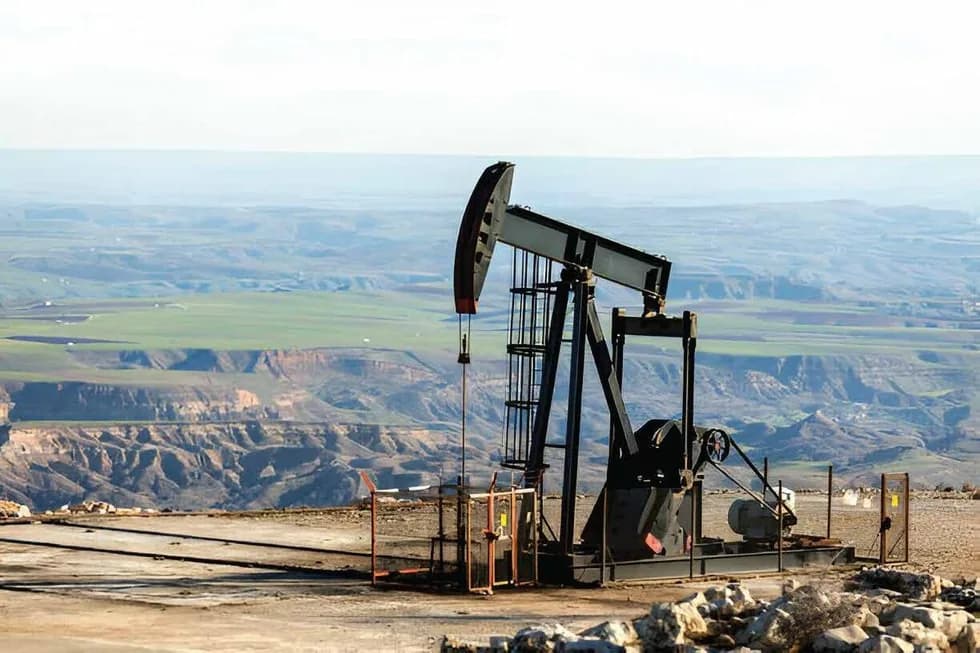
 Oilfield service
Thru-Tubing Re-Entry
Thru-tubing interventions for marginal fields: low reservoir pressure, sand encroachment, failed screens or gravel packs, zonal isolation and wellbore cleanouts, without pulling the completion.
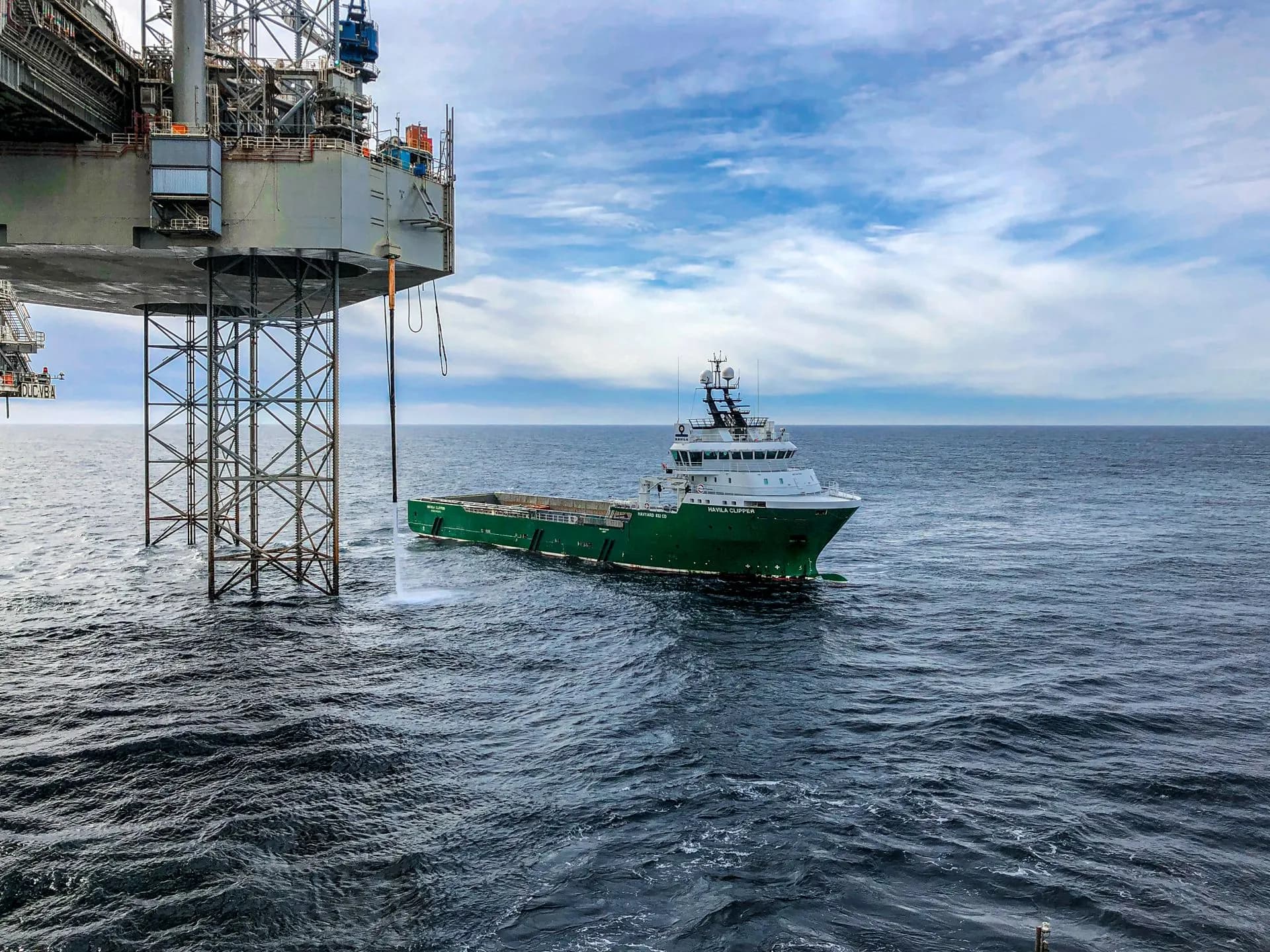
Oilfield Services
Cementing that delivers wellbore integrity and zonal isolation, from primary jobs to remedial work and plug and abandonment.
Overview
A cement job has to do its work for the life of the well and beyond. It supports the casing, protects it from corrosive fluids and, above all, isolates zones so that oil, gas and water stay where they belong.
We provide cementing for primary, remedial and plug and abandonment (P&A) operations. Each job starts with the well: temperature, pressure, formations and fluids. We then design and test the slurry to suit, and place it with careful attention to mud removal, displacement and verification.
Good zonal isolation is also an emissions issue, because poorly cemented wells can let gas migrate to surface. The integrity discipline we apply to gas capture and conversion facilities applies here too: keep gas contained, measure it, and put it to use rather than losing it.
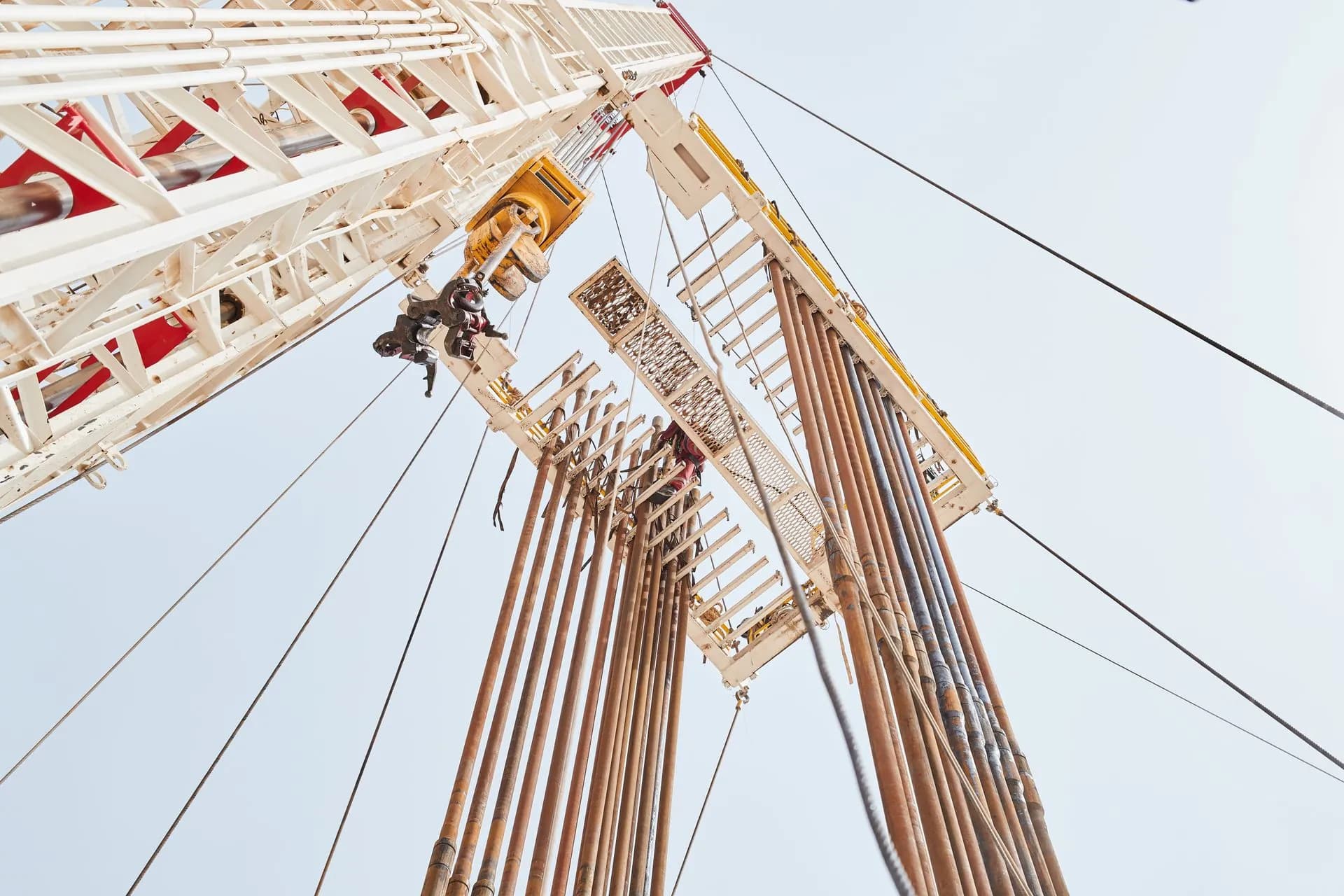
Capabilities
Casing and liner cementing to support the string, protect it from corrosion and isolate zones from the start of the well's life.
Squeeze cementing and cement plugs to repair poor primary jobs, seal leaks, shut off unwanted water or gas and restore isolation.
Cement barriers designed and placed to isolate the well permanently at the end of its life, in line with the operator's abandonment programme and regulatory requirements.
Cement systems matched to demanding conditions, such as lightweight slurries for weak formations, gas-tight systems where gas migration is a risk and blends for high temperatures.
Slurries designed for the well and tested for thickening time, compressive strength, fluid loss, rheology and free fluid before the job is pumped.
Recorded job pressures, rates and densities, together with a review of cement evaluation logs, to confirm placement and isolation.
How we work
We gather the well data: depths, temperatures, pressures, formations, hole condition and the isolation the job must achieve.
We design the slurry and spacers, then test them against the well's conditions so the job behaves as planned.
Volumes, pump rates, displacement and contingencies are set out in a job programme agreed with your team.
The job is pumped to plan, with pressures, rates and densities recorded throughout.
We review the job data and any evaluation logs and deliver a report confirming what was achieved.
Outcomes
Correctly designed and placed cement keeps fluids in their zones and protects production for the life of the well.
Getting the primary job right reduces the need for costly squeeze work later in the well's life.
Well-designed P&A barriers reduce the risk of long-term leaks and the liabilities that come with them.
Sound isolation reduces the chance of gas migrating to surface, which supports both safety and emissions goals.
Deliverables
FAQs
Not covered here? Email our team and an engineer will answer.
Primary cementing is done when casing or liner is run, to bond it in place and isolate zones. Remedial cementing repairs problems later, for example sealing a leak, shutting off water or fixing a poor primary job, usually by squeeze cementing or setting a cement plug.
Downhole temperature and pressure change how cement behaves. Testing thickening time, strength and fluid loss under representative conditions confirms the slurry can be placed safely and will set as required.
Yes. We design and place cement barriers for P&A in line with the operator's programme and the applicable regulatory requirements, and document the barriers for the well file.
Some remedial and plugging work can be done through tubing on coiled tubing, which links with our Thru-Tubing Re-Entry service. Primary cementing is normally carried out with the drilling or workover rig.
Keep exploring
Oilfield serviceThru-tubing interventions for marginal fields: low reservoir pressure, sand encroachment, failed screens or gravel packs, zonal isolation and wellbore cleanouts, without pulling the completion.
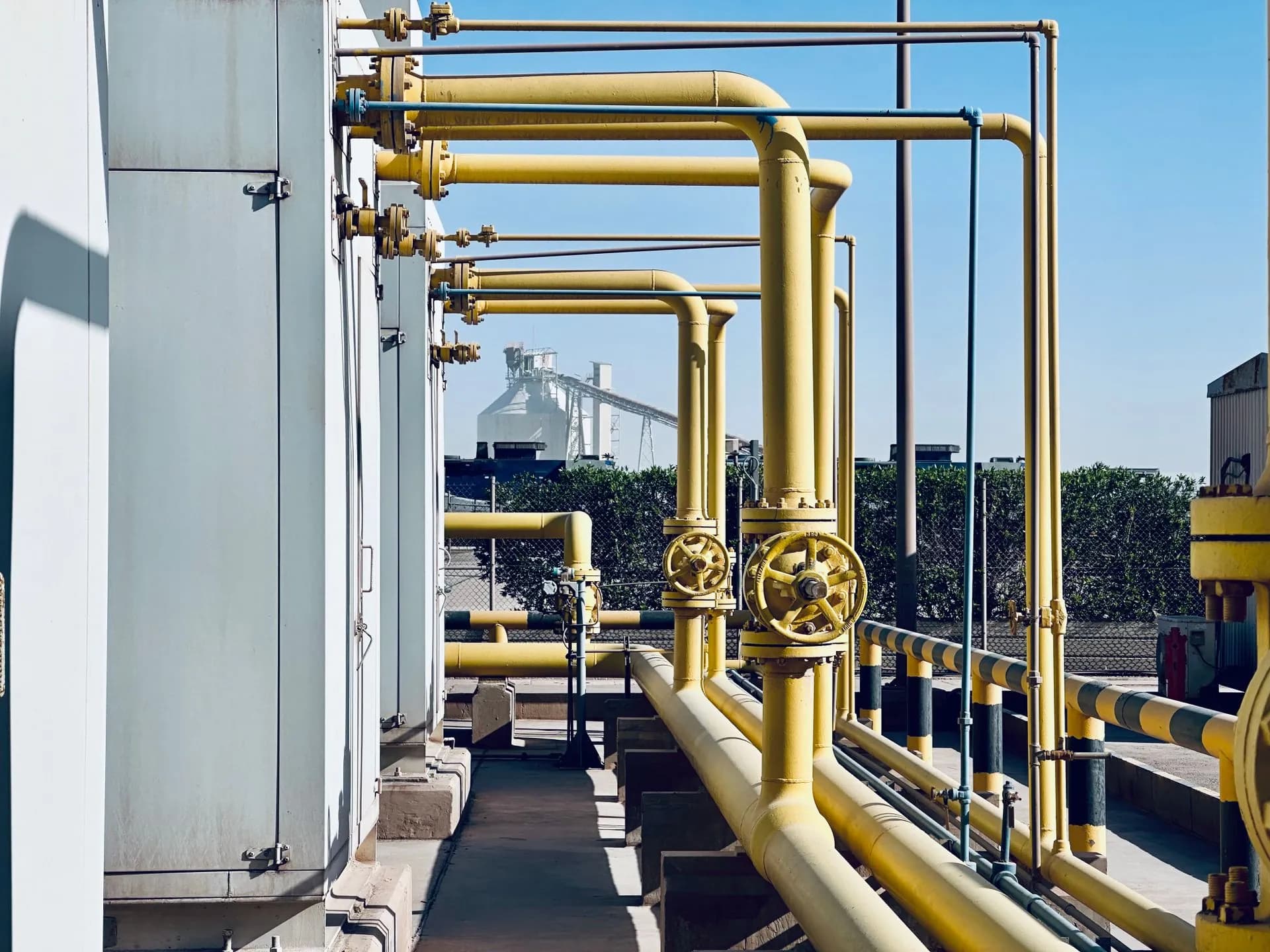 Oilfield service
Bottom hole pressure surveys checked by machine learning, downhole cameras that turn feeds into clear images, and surface well testing that shows how a well is really performing.
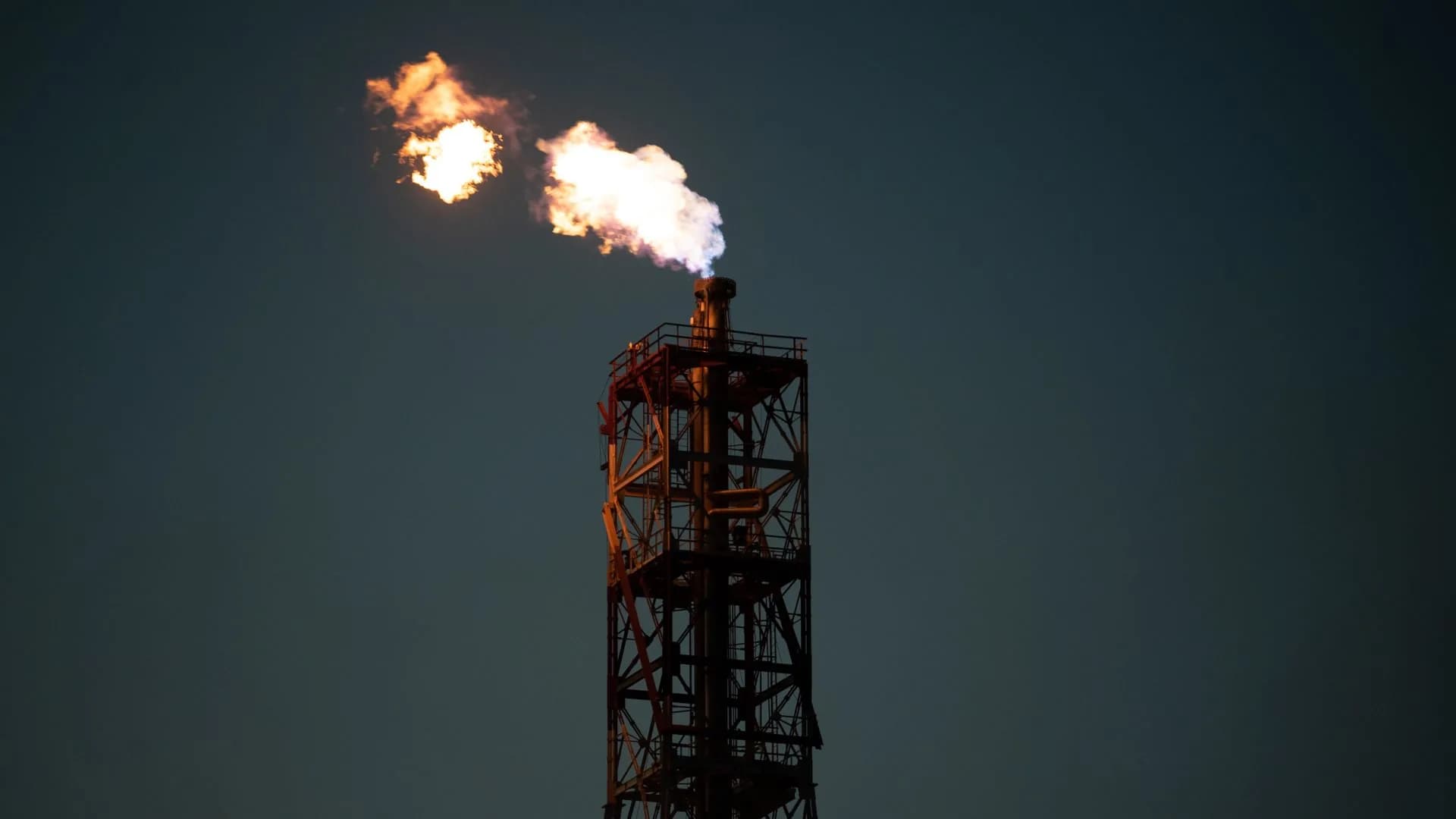 Energy solution
We develop flare-to-energy projects end to end: we screen and measure flare sites, choose the conversion pathway, structure the commercial model and deliver the plant.
Start a project
Tell us where the gas is and what you need. Our engineers will come back with a practical first assessment and a clear next step.