
 Energy solution
Flare Gas Conversion Development
We develop flare-to-energy projects end to end: we screen and measure flare sites, choose the conversion pathway, structure the commercial model and deliver the plant.
Energy Solutions
We secure flare gas supply, structure the agreements around it and connect it to buyers, so captured gas has a contract on both sides.
Overview
A flare-to-energy plant is only as strong as its contracts. Someone must have the right to take the gas, someone must commit to buy what it becomes, and the terms between them must match what the gas can really deliver. Codes and Cogs works on both sides: securing supply and originating offtake.
On the supply side, we work with operators and flare-site awardees to secure access to flare gas. Where a site falls within the NGFCP, access follows the programme's framework, typically a permit to access flare gas alongside supply and connection arrangements involving the regulator and the producing operator. Where an operator is commercialising its own flare gas, we agree access, tie-in and supply terms directly with the operator, within the approvals that apply.
Flare gas is a by-product of oil production, so its volume and quality move with the field. We structure gas sales and supply agreements that reflect this: daily contract quantities set from validated flow, take-or-pay and deliver-or-pay terms that share volume risk fairly, a clear gas specification, agreed measurement and allocation, defined delivery points, force majeure provisions and a tenor that matches the field's remaining life.
Our role is commercial and technical structuring. We prepare the term sheets, schedules and technical inputs, and we work alongside the client's legal counsel, who drafts and advises on the agreements themselves.
Capabilities
We work with operators and flare-site awardees on access to flare gas, including tie-in rights, connection arrangements and, where a site falls within it, the permits that apply under the NGFCP framework.
Gas from several nearby flares gathered to a shared processing hub, giving larger and steadier volumes than any single site and spreading the cost of infrastructure.
Key terms structured for flare gas: daily contract quantity (DCQ), take-or-pay and deliver-or-pay, nominations, shortfall and make-up, force majeure, tenor and termination.
Quality limits for heating value, H2S, CO2, inerts, water and hydrocarbon dew point, with off-specification procedures that reflect real flare gas variability.
Fixed, indexed, netback and hybrid pricing structures with escalation and currency terms, tested against the project's economics and the buyer's alternative fuels.
Custody transfer and check metering at agreed delivery points, sampling regimes, and allocation methods for clusters where several sources feed one stream.
Independent review of flare data, metering campaigns and production forecasts to confirm how much gas is available, for how long and at what quality.
We identify and qualify buyers among industrial users, power producers and CNG and LPG distributors, then manage nominations, reconciliations and contract performance once gas flows.
How we work
Identify candidate flares, who holds the rights to each, and the access route: an operator agreement, the programme framework or both.
Due diligence on flow, composition and decline, backed by field measurement where the existing data is thin or out of date.
Find and qualify off-takers and confirm their volumes, quality needs, delivery point and credit standing.
Prepare term sheets and technical schedules for supply and offtake, and negotiate them with the parties and their legal counsel.
Support permits, connection works and metering commissioning so that first gas is measured and allocated correctly from day one.
Nominations, measurement reconciliation, allocation statements and periodic reviews for the life of the agreement.
Outcomes
Supply and offtake terms that lenders and investors can underwrite, because they rest on validated gas data.
Volume, quality and price risk shared in ways each party can manage, rather than left open to dispute.
Clear metering and allocation give every party confidence in the quantities they pay for and are paid on.
Gas that was burnt to waste finds a paying market close to where it is produced.
Deliverables
FAQs
Not covered here? Email our team and an engineer will answer.
No. We provide commercial and technical structuring: the term sheets, contract quantities, gas specifications, measurement schedules and pricing analysis. Your legal counsel drafts and advises on the agreements, and we work alongside them throughout the negotiation.
Rarely on its own. Flare gas follows oil production, so volumes vary and decline over time. We set contract quantities from validated base flow rather than peaks, aggregate sites to steady supply, and agree interruptible or reasonable-endeavours terms, shortfall remedies and backup arrangements where firm supply is not realistic.
Take-or-pay commits the buyer to pay for a minimum quantity of gas whether or not it takes delivery, usually with a right to make up that gas later. Deliver-or-pay is the mirror image: the seller compensates the buyer when it fails to deliver the contracted quantity. Balancing the two is central to a fair flare gas agreement.
It depends on the source and the buyer. Where a site falls within the NGFCP, the programme's terms govern the upstream supply. Downstream, prices may be fixed, indexed to an alternative fuel such as diesel or LPG, or set on a netback from the product price, with escalation and currency terms agreed between the parties. We model each option against the project's economics.
Yes. Aggregating nearby flares into a cluster can give a larger, steadier supply and share the cost of processing and transport. It needs an agreement with each source, metering at every inlet and an agreed allocation method so that each party is credited correctly.
Keep exploring
Energy solutionWe develop flare-to-energy projects end to end: we screen and measure flare sites, choose the conversion pathway, structure the commercial model and deliver the plant.
 Energy solution
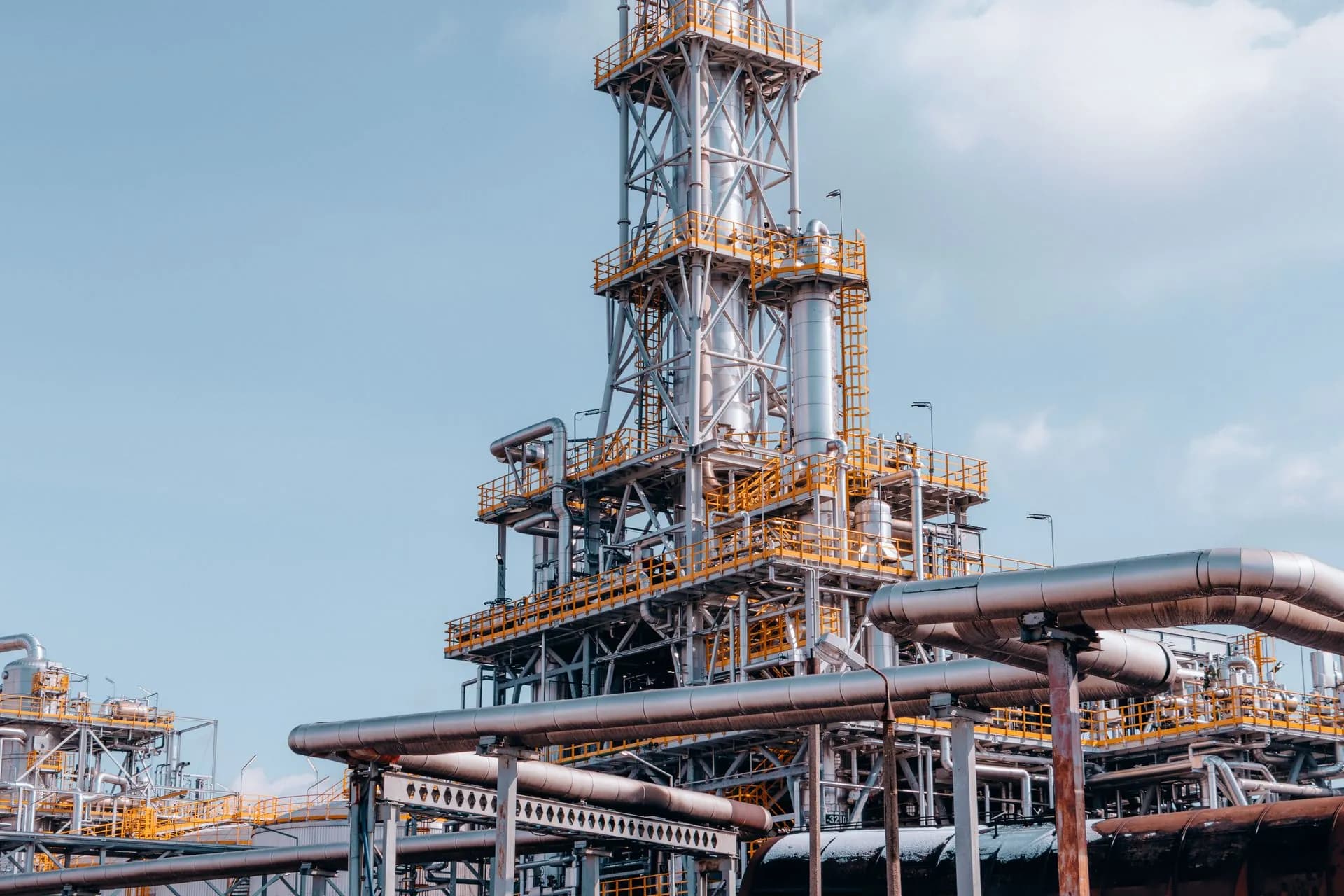
EPC and installation of flare gas recovery, conditioning, gas-to-power, CNG, LPG/NGL and small-scale LNG units, with hybrid solar and battery systems, commissioning and O&M.
 Energy solution
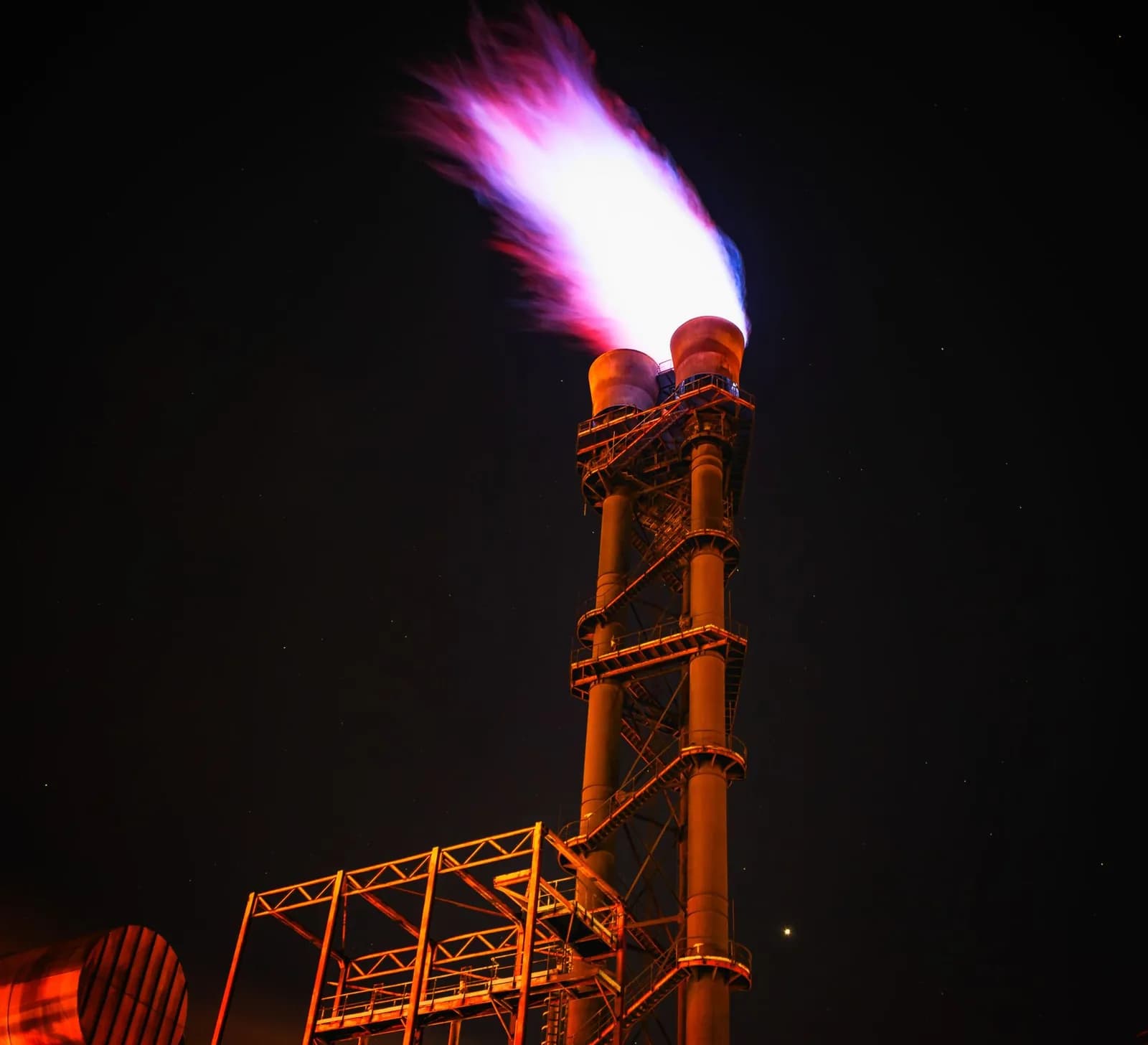
Flare site screening, gas characterisation, feasibility studies, emissions MRV, carbon-credit readiness, AI analytics and research into emerging gas conversion pathways.
 Oilfield service
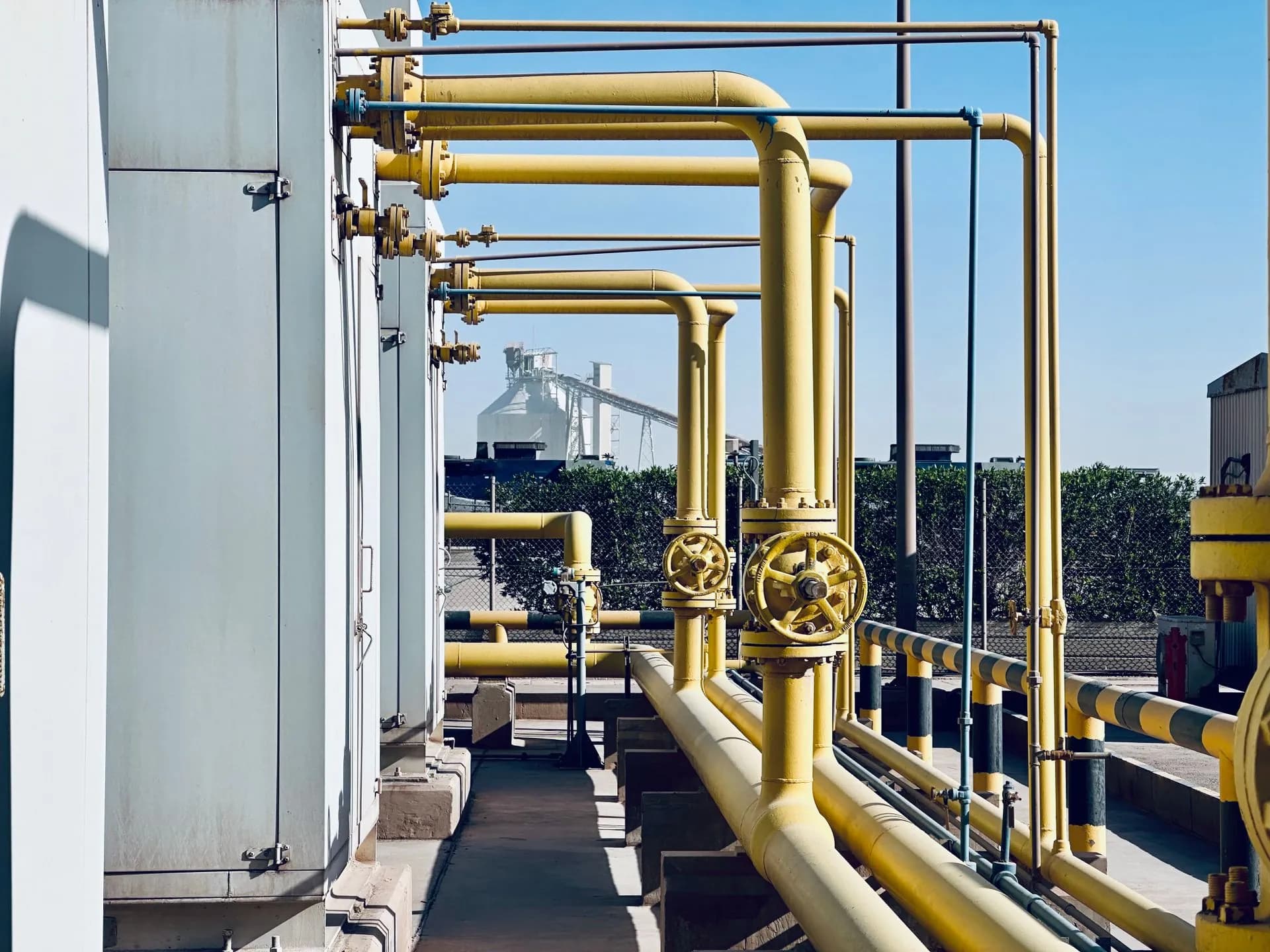
Bottom hole pressure surveys checked by machine learning, downhole cameras that turn feeds into clear images, and surface well testing that shows how a well is really performing.
Start a project
Tell us where the gas is and what you need. Our engineers will come back with a practical first assessment and a clear next step.