
 Oilfield service
Thru-Tubing Re-Entry
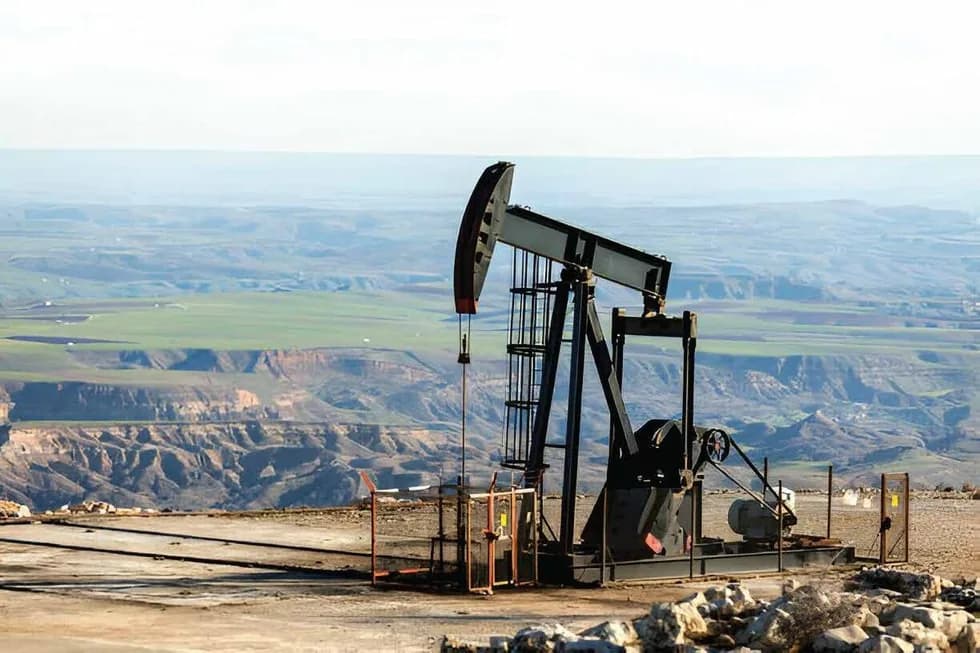
Thru-tubing interventions for marginal fields: low reservoir pressure, sand encroachment, failed screens or gravel packs, zonal isolation and wellbore cleanouts, without pulling the completion.
Oilfield Services
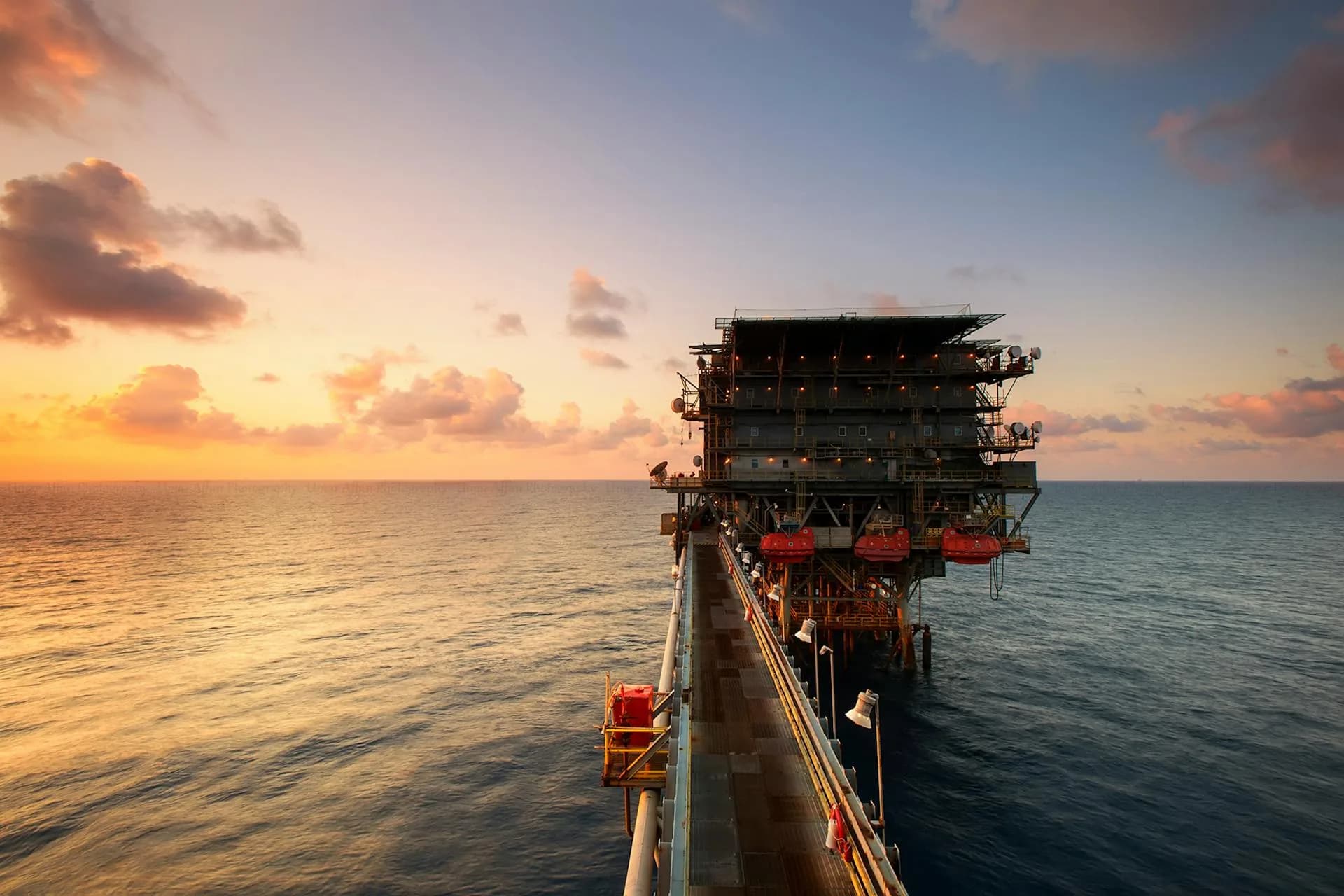
Coiled tubing interventions that start with the right diagnosis and are modelled before the unit reaches location.
Overview
The success of any stimulation treatment depends on identifying the well's real problem first. Acid will not fix a mechanical restriction, and a cleanout will not fix formation damage. We start with diagnosis, interpret what the well is telling us, and only then select the chemical additives and treatment technique.
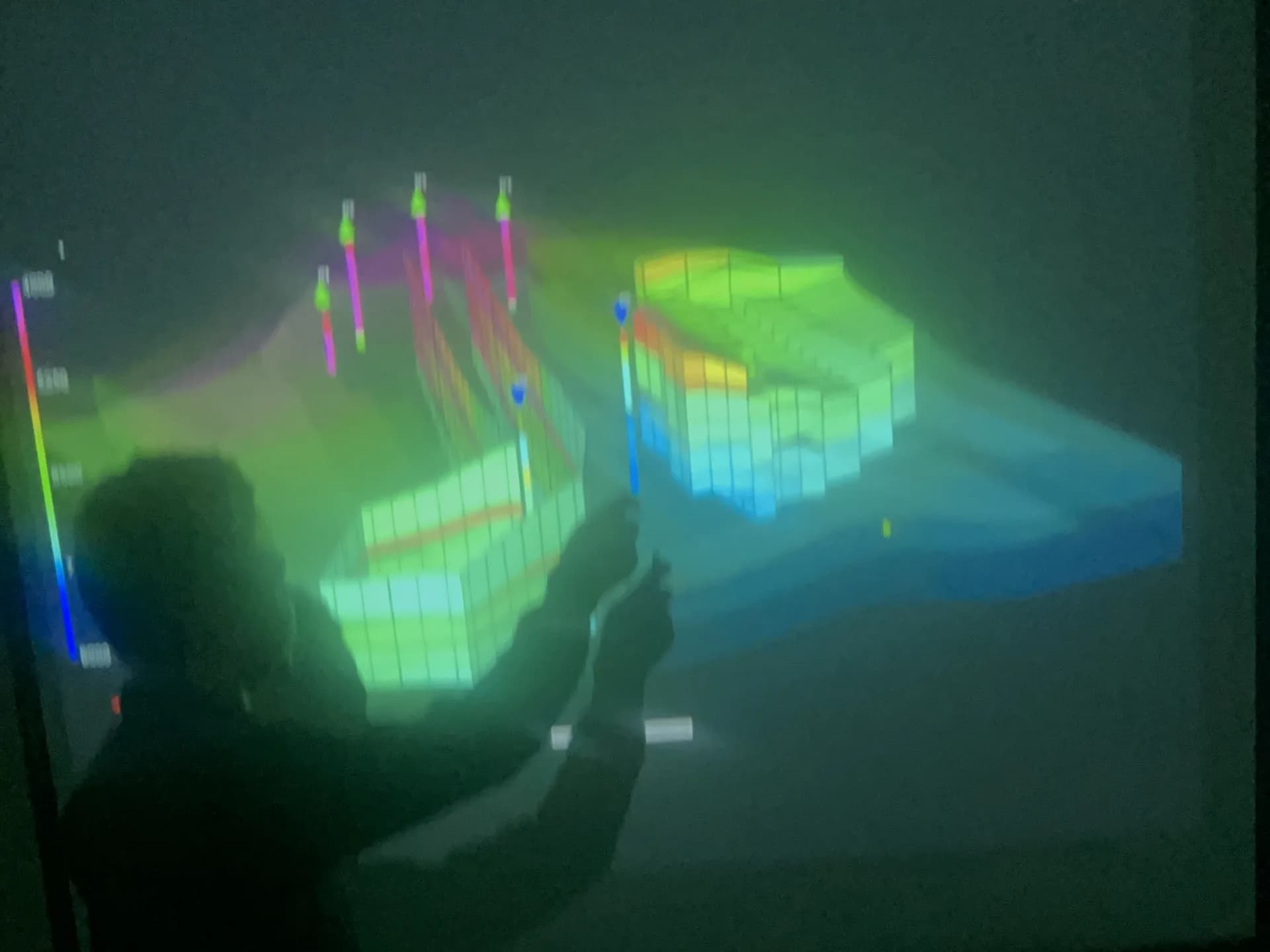
We own and use a set of engineering software packages to plan each job: Cerberus for coiled tubing force and downhole hydraulic analysis, the CT Modelling Suite, Prosper for well performance analysis, FracPro for treatment design and a Real-Time Data Acquisition System for monitoring on location. Modelling tells us whether the string can reach depth, what pump rates and pressures to expect, and how the well should respond.
This is the Codes and Cogs approach in practice: software and data on one side, field equipment and crews on the other. The same modelling and real-time monitoring habits shape how we design and run gas capture and conversion systems.
Capabilities
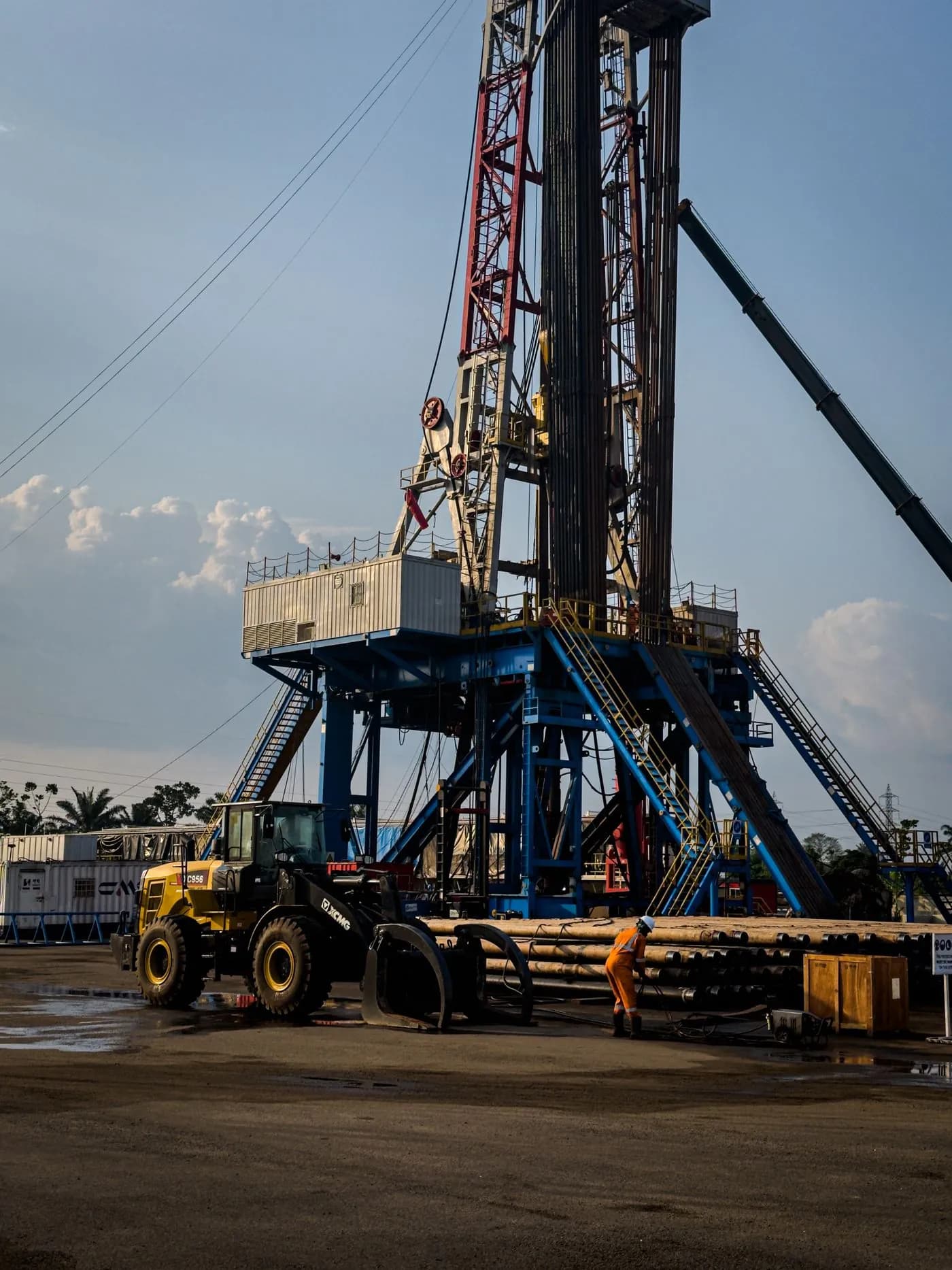
Removal of sand, fill, scale and debris by circulation, with hydraulics modelled to keep solids moving up and out of the well.
Nitrogen circulated through coiled tubing to lighten the fluid column and kick off wells that cannot flow on their own.
Matrix acid and chemical treatments placed accurately across the target zone, with fluids and additives selected for the formation and the damage found.
Motor and mill runs to remove hard scale, cement, bridges and plugs that block access or production.
Cerberus and the CT Modelling Suite predict string forces, reach and circulating pressures, so the job plan stays inside safe limits.
Prosper well performance analysis and FracPro treatment modelling to estimate how the well will respond and size the treatment to match.
Live monitoring of depth, weight, pump pressures and rates during the job, compared against the model as the work progresses.
How we work
Review production data, well history and diagnostics to identify the real cause of the problem.
Choose the technique, fluids and chemical additives that address that cause.
Run force, hydraulic and well performance models to confirm reach, pressures and the expected well response.
Run the job under tested pressure control equipment, with real-time data acquisition tracked against the plan.
Compare the results with the model and report on well response, with recommendations for next steps.
Outcomes
Diagnosis before design reduces the risk of pumping a treatment that cannot fix the problem.
Modelled forces and pressures lower the risk of stuck pipe, failed runs and unplanned trips.
Real-time data and a post-job comparison against the model show what the treatment achieved.
Treatments sized to the well avoid over-design and wasted chemicals.
Deliverables
FAQs
Not covered here? Email our team and an engineer will answer.
Modelling shows whether the string can reach target depth, what forces and circulating pressures to expect and where the limits are. It turns surprises on location into decisions made in the office.
We own Cerberus for coiled tubing force and downhole hydraulic analysis, the CT Modelling Suite, Prosper, FracPro and a Real-Time Data Acquisition System.
Wells that cannot flow on their own, for example after a workover or stimulation, can be unloaded by circulating nitrogen through coiled tubing to lighten the fluid column until the well flows naturally.
Yes. Coiled tubing is a common way to convey thru-tubing tools for sand control, zonal isolation and cleanouts, so the two services are often planned together.
Keep exploring
Oilfield serviceThru-tubing interventions for marginal fields: low reservoir pressure, sand encroachment, failed screens or gravel packs, zonal isolation and wellbore cleanouts, without pulling the completion.
 Oilfield service
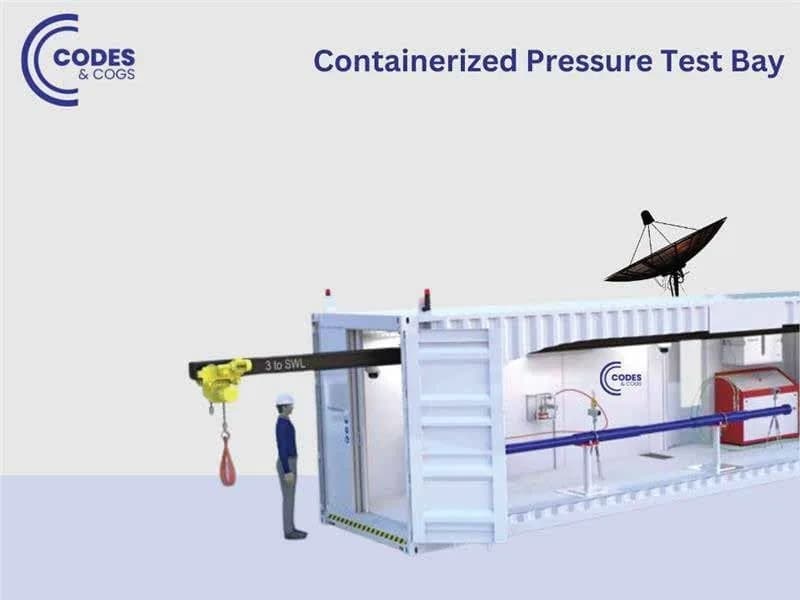
Non-destructive testing and pressure control equipment integrity checks before deployment, run from our Containerised Pressure Test Bay to reduce risk, downtime and compliance gaps.
 Energy solution
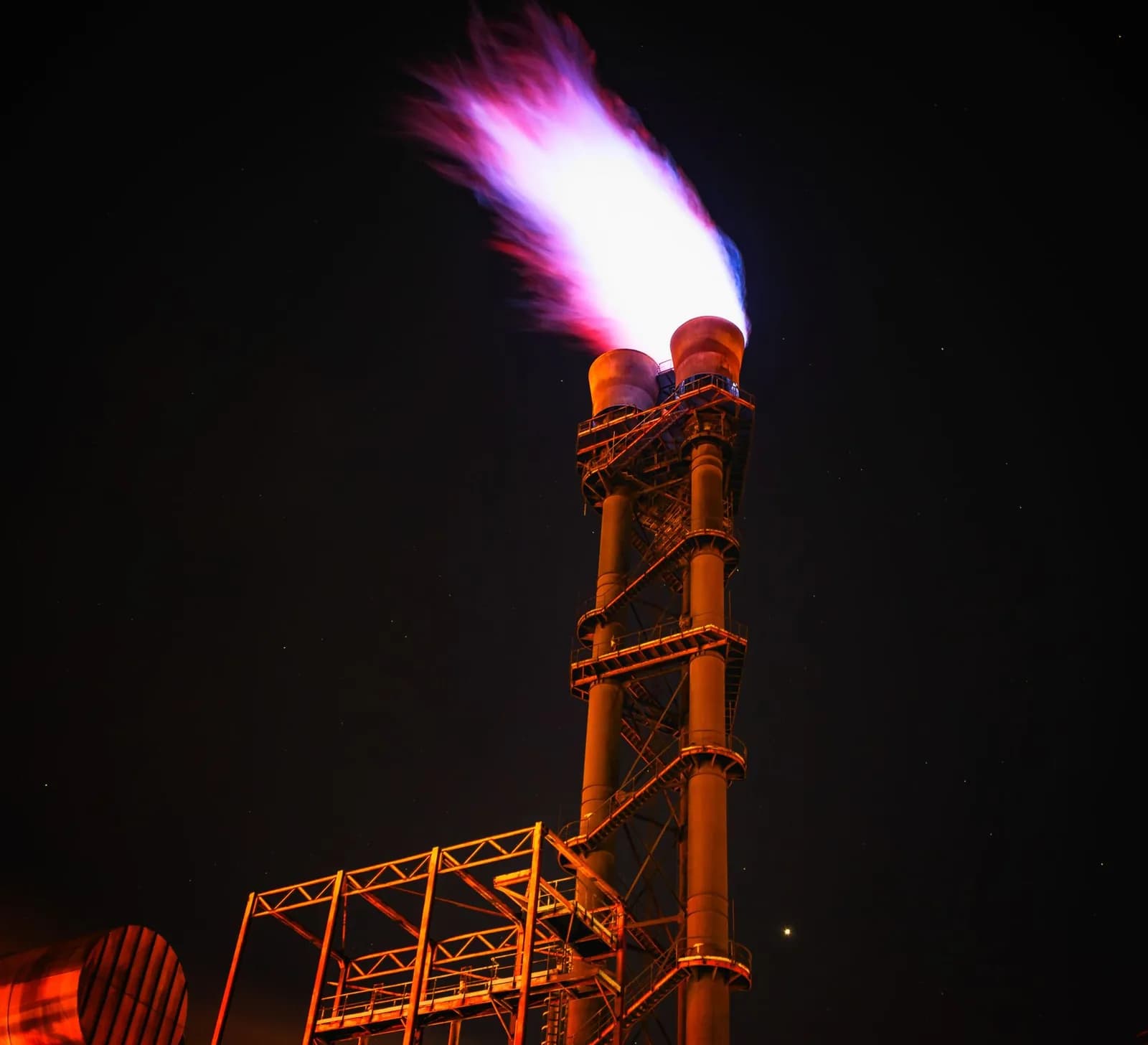
Flare site screening, gas characterisation, feasibility studies, emissions MRV, carbon-credit readiness, AI analytics and research into emerging gas conversion pathways.
Start a project
Tell us where the gas is and what you need. Our engineers will come back with a practical first assessment and a clear next step.