
 Oilfield service
Coiled Tubing
Coiled tubing cleanouts, nitrogen lifting, stimulation and milling, planned with force, hydraulic and well performance modelling so the treatment fits the real problem.
Oilfield Services
Rigless, cost-effective re-entry solutions that bring marginal, mature and shut-in wells back into production.
Overview
Marginal fields bring their own problems: low reservoir pressure, sand encroachment and failed screens or gravel packs. A full rig workover is often too expensive for the production at stake. Thru-tubing re-entry works through the existing completion, so many of these problems can be solved rigless, at lower cost and with less time off production.
We run smaller-diameter tools, tubulars and sand control systems through the production tubing, typically on coiled tubing or slickline, to restore flow, control sand, isolate problem zones and clean out the wellbore. Our Managing Director completed thru-tubing training with Thru Tubing Systems in Louisiana, and the service draws on the same team that runs our slickline and coiled tubing work.
Marginal fields often produce associated gas as well as oil. Wells that flow steadily make it easier to plan the capture of that gas rather than flaring it, which is where our flare-to-energy work begins.
Capabilities
Smaller outside-diameter tubing run inside the existing completion to improve flow velocity, reduce flow restrictions and keep low-pressure wells producing.
Thru-tubing sand control, such as stand-alone screens set across the producing interval, as a cost-effective alternative to re-gravel packing.
Replacement screens, sand filters or isolation of the failed section to restore well integrity and stop further sand ingress.
Re-entry to isolate water-producing zones, improve pressure communication and re-stimulate flow paths in wells with declining output.
Accurate placement of thru-tubing plugs, packers or cement to isolate problem zones and target the productive intervals.
Thru-tubing cleanout tools that remove sand, scale and debris restricting production, keeping flow steady and extending well life.
How we work
We review the completion diagram, production history and the problem you are seeing, and confirm whether a thru-tubing approach is suitable.
Where needed, we run slickline surveys, gauge runs or downhole cameras to confirm the restriction, sand level or failure point.
We select tools, tubulars and fluids that pass the existing restrictions, and model the job before mobilising.
The job is run through tubing on coiled tubing or slickline, under tested pressure control equipment.
We monitor the well as it comes back on line and report the results with recommendations for any further work.
Outcomes
Working through the completion avoids the cost and lead time of a rig workover for many common well problems.
Shorter, rigless operations mean less time off production and fewer disruptions to the production schedule.
Each job is designed around the specific problem, whether that is sand, water, low pressure or a failed screen.
Cost-effective interventions keep marginal and mature wells productive and profitable for longer.
Deliverables
FAQs
Not covered here? Email our team and an engineer will answer.
The intervention is carried out through the existing production tubing, without pulling the completion. Tools are sized to pass the narrowest restriction in the well and are usually run on coiled tubing or slickline.
Not always. It solves many common problems at lower cost, such as sand, water, scale and low pressure, but some failures still need a rig. Our well review tells you which approach fits before you commit spend.
Yes. Rejuvenating mature and shut-in wells is a core part of the service. We start with diagnostics to understand why the well stopped flowing, then design the re-entry around that cause.
Keep exploring
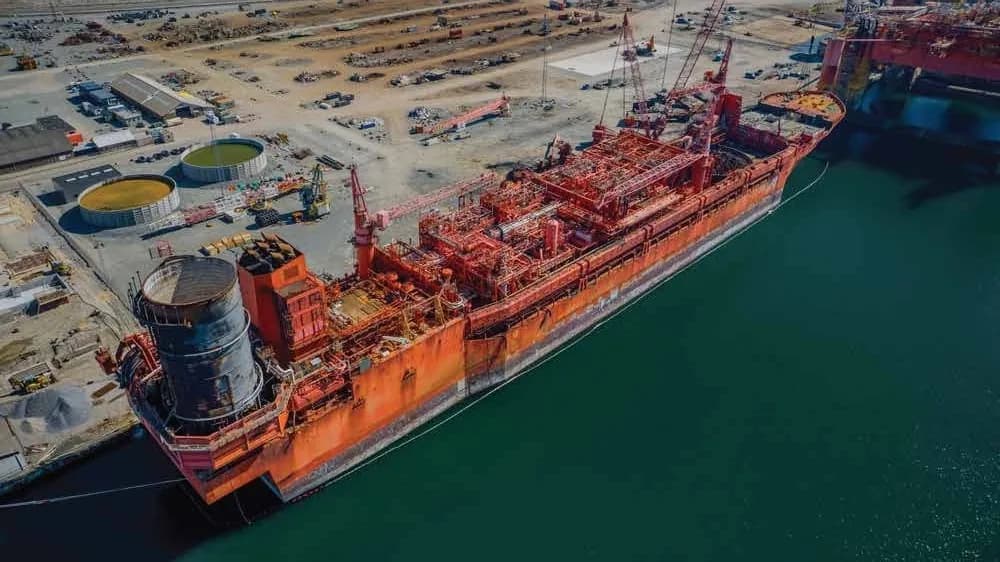
Oilfield serviceCoiled tubing cleanouts, nitrogen lifting, stimulation and milling, planned with force, hydraulic and well performance modelling so the treatment fits the real problem.
 Oilfield service
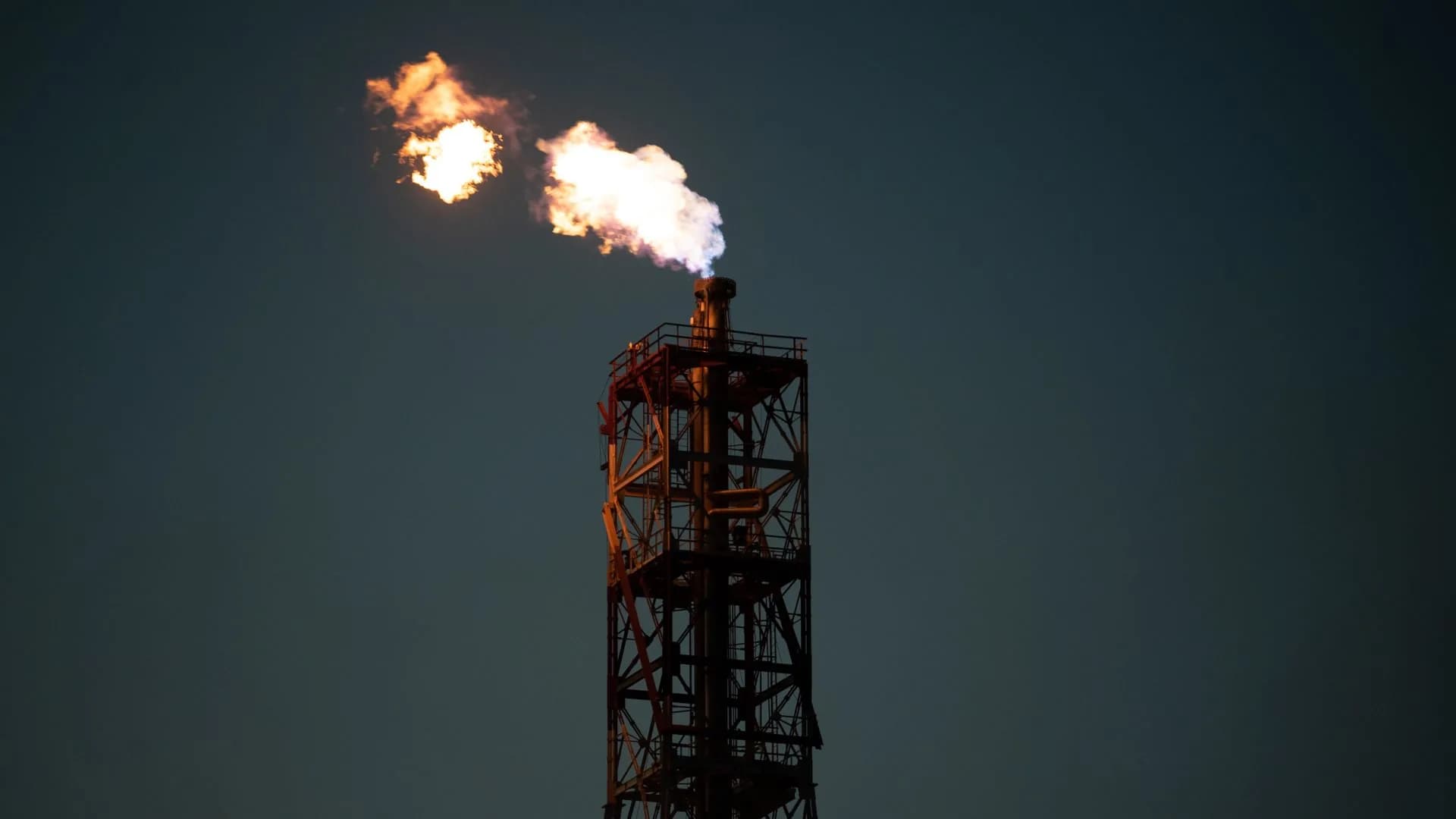
Wellbore monitoring and data collection, setting and retrieving downhole devices, integrity checks, production optimisation and fishing, led by slickline specialists with decades in the field.
 Energy solution
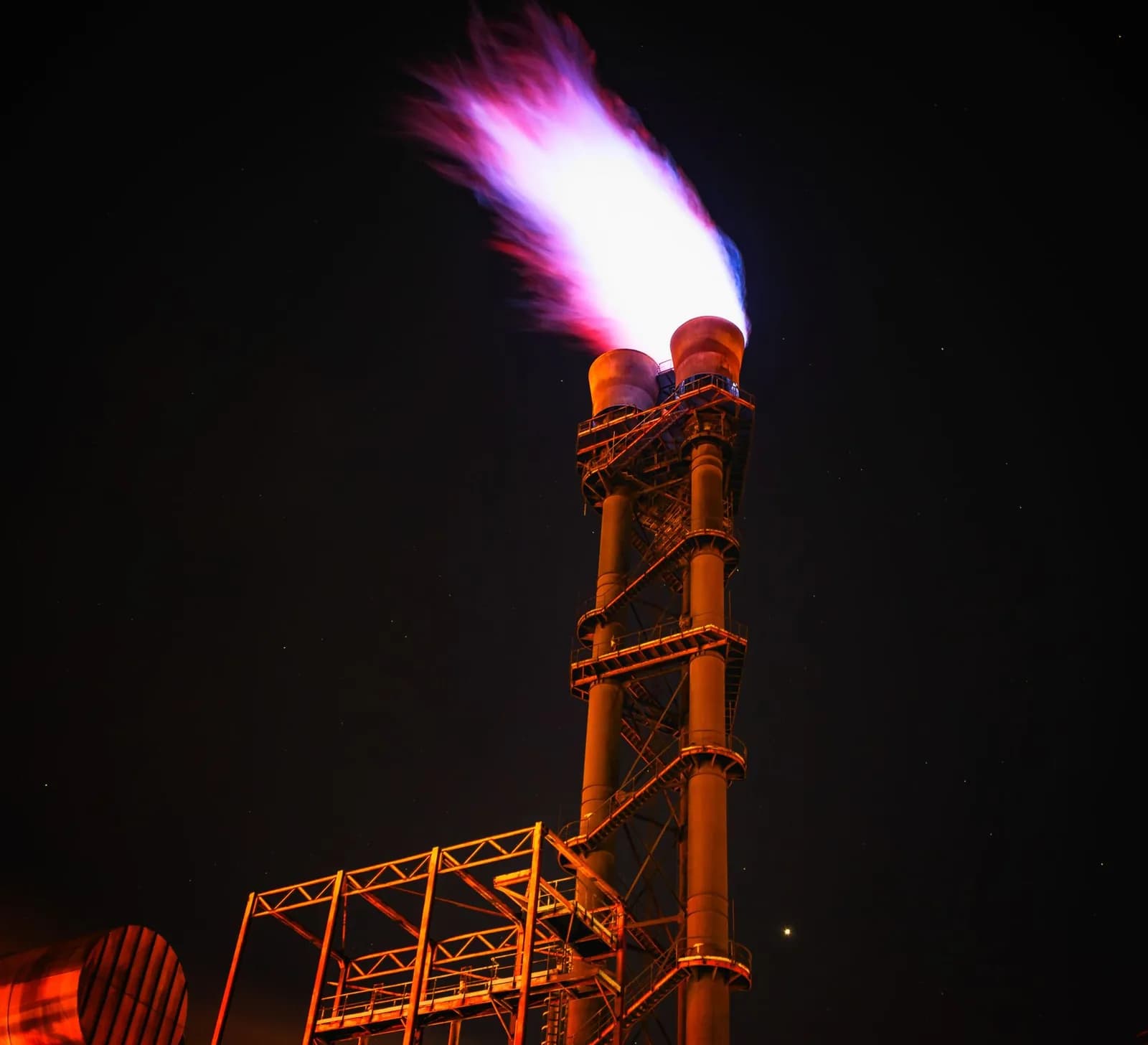
We develop flare-to-energy projects end to end: we screen and measure flare sites, choose the conversion pathway, structure the commercial model and deliver the plant.
Start a project
Tell us where the gas is and what you need. Our engineers will come back with a practical first assessment and a clear next step.